top of page
  • Schwarz Instagram Icon
  • Schwarz Pinterest Icon
  • Schwarz YouTube Icon
  • Schwarz Facebook Icon
  • Linktree
ANDREAS STREBLE MEDIENKITA.DE

Andreas
Streble.

People. Organizations. Technology.

I work where people, organizations, and technology meet. I make sense of complex developments, connect different perspectives, and turn them into practical next steps.

CURRENT WORK

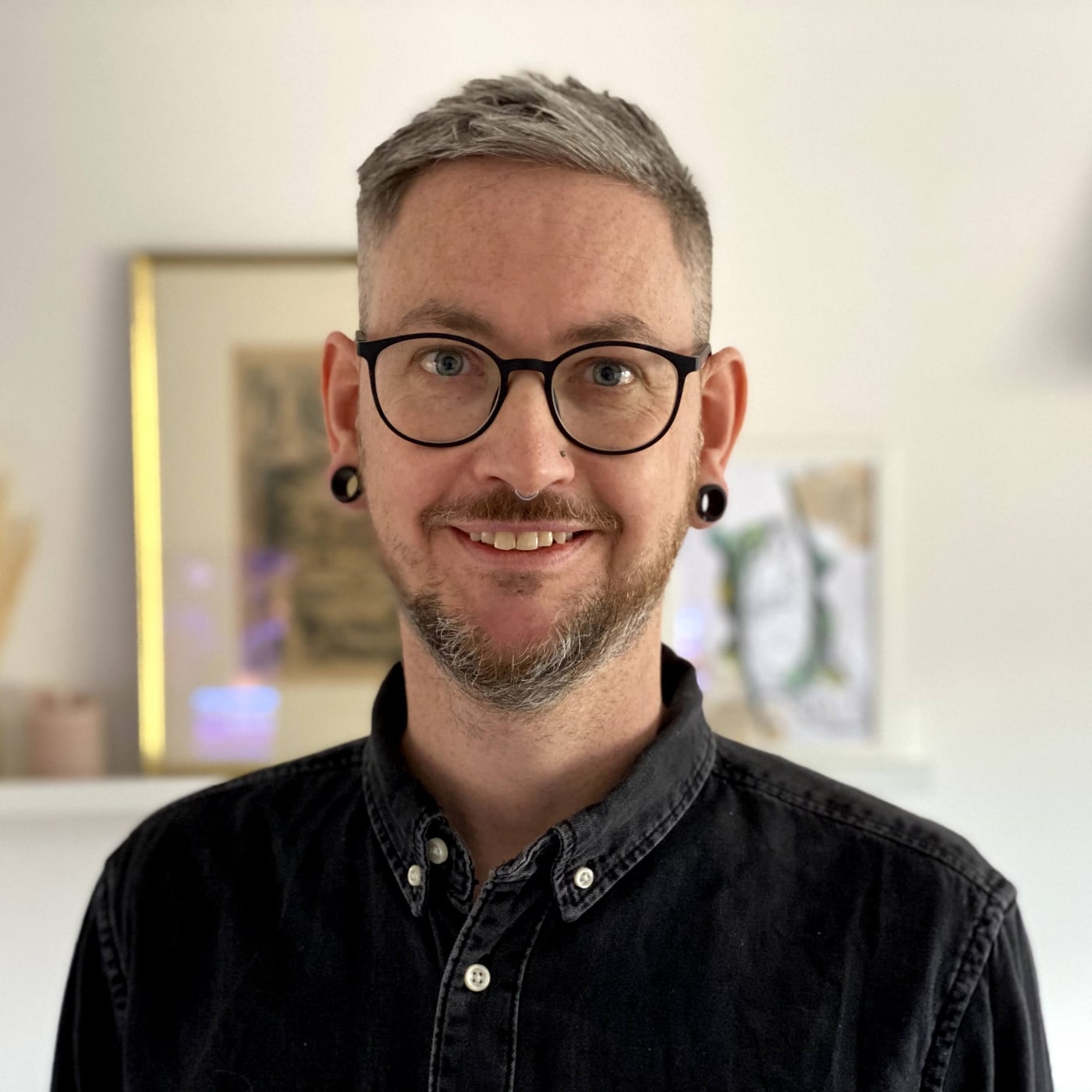
PORTRAIT
Portrait of Andreas Streble.
ANDREAS STREBLE

02 / PERSPECTIVE

Technology changes organizations. What matters is what people make of it.

New tools do not change the way an organization works on their own. They enter existing structures, roles, routines, expectations, and cultures.

Subject-matter experts, leadership, administration, and IT all need to figure out what is actually needed, who is responsible, and how a new technology can work in day-to-day practice.

I am interested not only in what technology can do, but in what change does to people. What creates clarity? What helps people feel capable of participating? Where do organizations need skills, rules, or boundaries?

My work often means bringing those perspectives together: understanding real-world needs, making connections visible, and working with the people who ultimately have to shape and sustain change.

03 / TOPICS

Four areas I work on

03.01

Organizations & Digital Change

What happens when new technology meets established ways of working?

I look at roles, responsibilities, processes, and collaboration — and at how organizations can shape digital change in ways that actually improve everyday work.

03.02

AI in Complex Organizations

Artificial intelligence sits somewhere between possibility, expectation, and the realities of organizational life.

My current product and project work includes requirements, implementation, pilots, governance, training, and adoption. The central question is what it takes to turn a technological capability into something people can use responsibly and effectively.

03.03

Media Literacy & Empowerment

Media literacy is more than knowing how to operate a tool.

It is about orientation, judgment, and the ability to make informed decisions: understanding media, recognizing its effects, and remaining capable of acting in a rapidly changing digital environment.

That also means asking what helps people remain resilient in the face of overload, manipulation, misinformation, and a constant stream of new technologies.

03.04

People, Ethics & Responsibility

What do media and emerging technologies do to people, society, and democracy?

Questions of participation, privacy, responsibility, power, and limits should not be addressed only after a technology has been introduced. They belong in the conversation from the start.

With AI in particular, the question is not simply what we can do, but what we should be willing to take responsibility for — and under what conditions.

04 / EXPERIENCE

Early Education, Leadership & Organizations

FOUNDATION IN PRACTICE

My professional foundation comes from roughly two decades of educational practice, leadership, and organizational responsibility in early childhood education.

My work extended far beyond direct educational practice. It included leadership, people management, concept development, organizational responsibility, and responsibility for teams and institutions.

For me, leadership has always meant more than managing staff. It means providing direction, making decisions, bringing different interests together, developing concepts, and creating structures that work in real life.

That experience still shapes the way I think about change today.

CONCEPT DEVELOPMENT, PROJECT WORK & SYSTEMS THINKING

Concept development and project-based work have been part of my professional life from the beginning. A systems-oriented view of people, teams, and organizations began shaping my work early on.

Long before “digital transformation” became everyday language, I was interested in what technology changes about the way we work: How do computers and digital tools change communication? What happens to processes, roles, and collaboration? What becomes easier — and what new questions emerge?

I have never viewed technology separately from the systems and people around it.

MEDIA EDUCATION, DIGITAL CHANGE & PROJECT WORK

Media education became another major part of my work as my career developed.

For me, it has never been primarily about devices or applications. Media education deals with bigger questions:

How does media affect people? How do we build media literacy? What strengthens judgment and resilience? What responsibilities do education and society have? And what does a changing media environment mean for democratic life?

As digital technologies became more deeply embedded in everyday work, questions around processes, systems, project structures, and organizational development became increasingly important as well.

PEOPLE, ORGANIZATIONS & TECHNOLOGY

Today, those strands come together.

I work at the intersection of people, organizations, and technology — and, in practical terms, between subject-matter expertise, IT, administration, leadership, and the people who use technology every day.

As Product Owner / Project Lead for DRS KI, I connect real-world requirements with product and project work, including implementation, governance, training, and user needs.

Technology by itself is not what interests me most. I am interested in how people and organizations can make meaningful use of it.

CONTINUOUS DEVELOPMENT

My professional path has always involved continuous learning and development.

Education, leadership, organizational work, media education, systems thinking, digital change, and project work are not separate chapters for me. They are areas of expertise that have grown, changed, and increasingly connected over many years.

That development includes extensive professional training and continuing education, a two-year leadership development program, and additional training across educational, media, organizational, and digital fields.

Most recently, I completed the AI Business Development Manager certificate program (IHK).

More about my professional background → LinkedIn

05 / SPEAKING & COLLABORATION

Making sense of change — and working on what comes next.

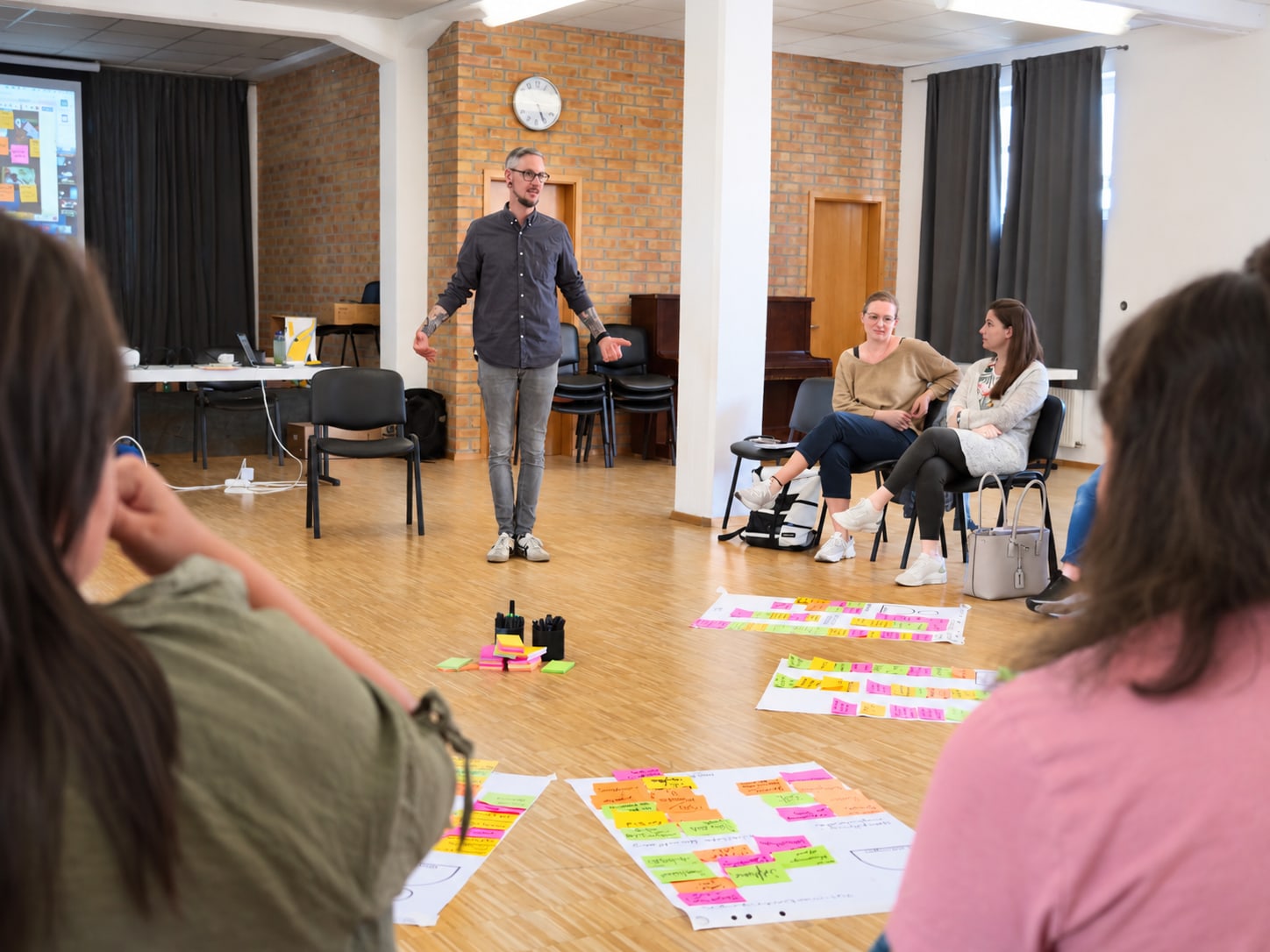
IN PRACTICE / WORKSHOP
Andreas Streble facilitating a workshop with participants in a seminar room.

In talks and presentations, I help audiences understand developments, see the connections between them, and place technology in the wider context of organizations, leadership, education, and responsibility.

In workshops, we work on concrete questions: What does a development mean for our organization? Where are the opportunities and limits? What do people need so that change is not only decided at the top, but understood and put into practice?

I also work selectively on advisory, analysis, and concept-development projects where an outside perspective can help connect different viewpoints and turn a complex situation into workable next steps.

FORMATS
Talks · Keynotes · Workshops
WAYS TO WORK TOGETHER
Advisory · Analysis · Concept Development · Selected Project Support
FOCUS
AI · Digital Change · Media Literacy · Organizations · Responsibility
Get in touch →

06 / PERSONAL

Music & Creative Practice

MUSIC / CREATIVITY

Music has always been a place for me to experiment.

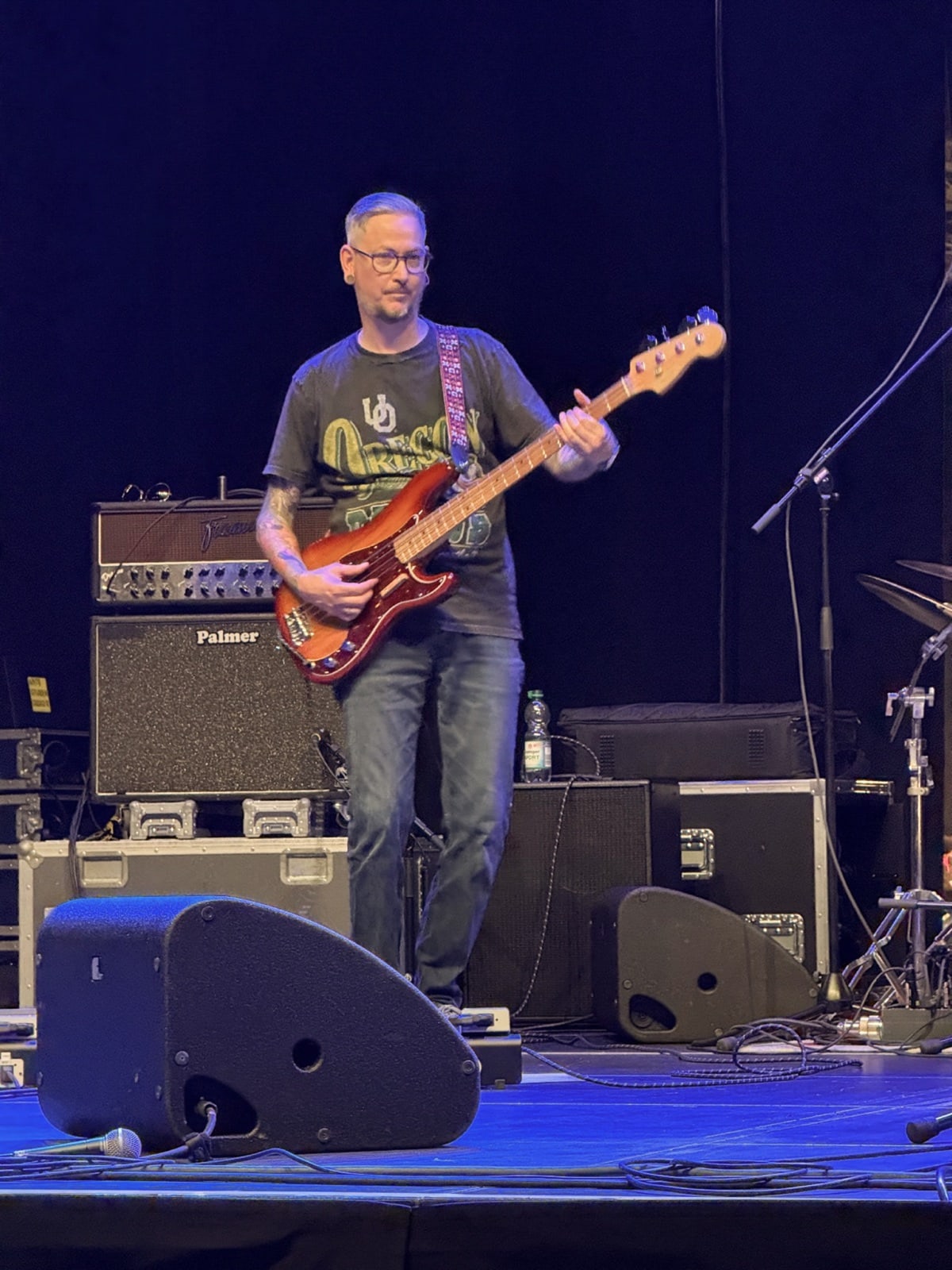
I play bass, guitar, and blues harmonica. Music has been part of my life for many years — through bands and different projects, as well as through music education and early childhood music work.

I have also experienced the shift from analog to digital technology firsthand. Media and digital tools were never ends in themselves. They were things to use creatively, combine, experiment with, and make something from. I have never seen analog and digital as opposites.

Music is communication and collaboration. In bands and projects, things emerge together — with people who bring different ideas, skills, perspectives, and sometimes very different views of where things should go.

That way of working continues to shape me: stay curious, experiment, connect analog and digital, develop ideas with other people, and leave room for approaches that may not be obvious at first.

Not every good idea arrives fully formed. Sometimes the solution appears only once people start making something together.

LIVE / MUSIC
Andreas Streble playing bass at a live performance.

07 / CONTACT

The best questions often emerge in conversation.

For speaking engagements, workshops, advisory work, project collaboration, or professional exchange, you can reach me directly by email or on LinkedIn.

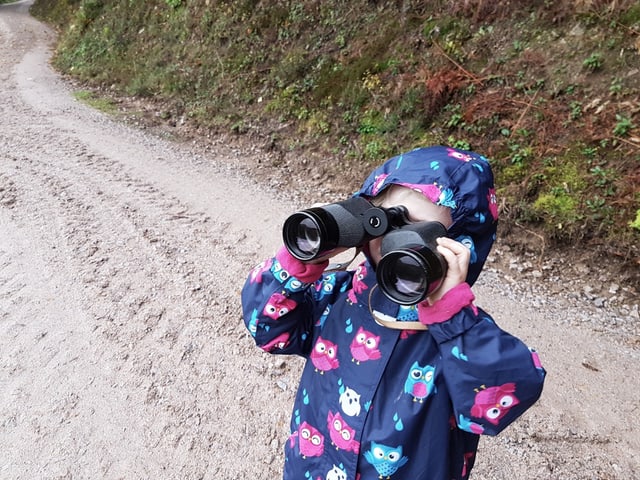
Child using binoculars on a forest path.
bottom of page